


The changes in HDMI 1.0 to HDMI 2.1 specifications you must understand [2018]
Release time:
2019-07-17
The development of a standard from its inception to maturity is far from a one-day effort, especially in the market for consumer products. Therefore, when purchasing products, everyone must carefully check the changes in versions, including televisions, cable TV set-top boxes, streaming media players, and other home theater equipment. We are still in the 4K era, and the minimum interface should be compatible with HDMI 2.0 version products; otherwise, you will regret it! Because the upgrade cycle of consumer products is indeed too fast nowadays! Let's talk about the changes from HDMI 1.0 to HDMI 2.1 specifications.
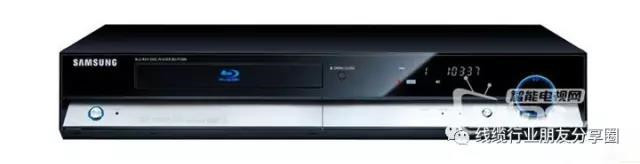
Since the world's first Blu-ray player, the Samsung BD-P1000, was launched in 2006 with HDMI, the vast majority of Blu-ray players and full HD players have been equipped with HDMI. Since then, HDMI has been unstoppable, having a significant impact on the cable industry for many years, with audio and video transmission involved in both consumer and industrial sectors.
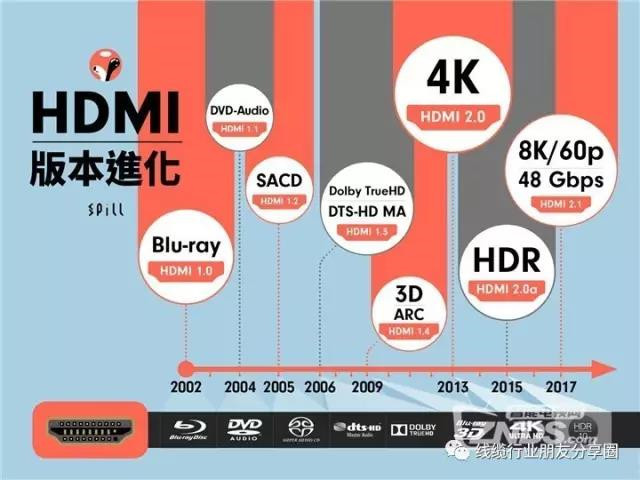
HDMI version evolution
1.4, 2.0 are the most common
2.0a supports 4K HDR
■HDMI 1.0
Supports Blu-ray and full HD 1080/60HZ
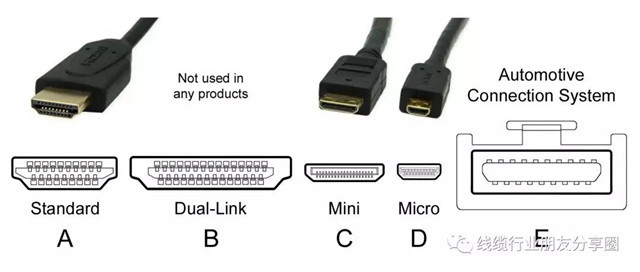
HDMI 1.0 was released on December 9, 2002, and is a single-link digital audio/video connector interface. The link architecture is based on DVI, using the same video transmission format, but sends audio and other auxiliary data during the interval of the video stream. HDMI 1.0 allows a maximum TMDS clock of 165 MHz (with a bandwidth of 4.95 Gbit/s per link), the same as DVI. It defines two connectors called Type A and Type B, which use pinouts based on single-link DVI-D and dual-link DVI-D connectors, although the Type B connector has never been used in any commercial products. HDMI 1.0 uses 8 b / 10 b encoding for video transmission, giving it a video bandwidth of 3.96 Gbit / s (1920×1080 or 1920×1080 60 Hz) and 8-channel LPCM / 192 kHz / 24-bit audio. HDMI 1.0 requires support for RGB video, with optional support for Y′CBCR 4:4:4 and 4:2:2 (mandatory if the device supports Y′CBCR on other interfaces). Color depth of 10 bpc (30 bits/pixel) or 12 bpc (36 bits/pixel) is allowed when using 4:2:2 subsampling, but only 8 bpc (24 bits/pixel) color depth is allowed when using RGB or Y′CBCR 4:4:4. Only Rec. 601 and Rec. 709 color spaces are supported. HDMI 1.0 only allows specific predefined video formats, including all formats defined in EIA/CEA-861-B, as well as some other formats listed in the HDMI specification itself. All HDMI sources/receivers must also be able to send/receive native single-link DVI video and fully comply with the DVI specification.
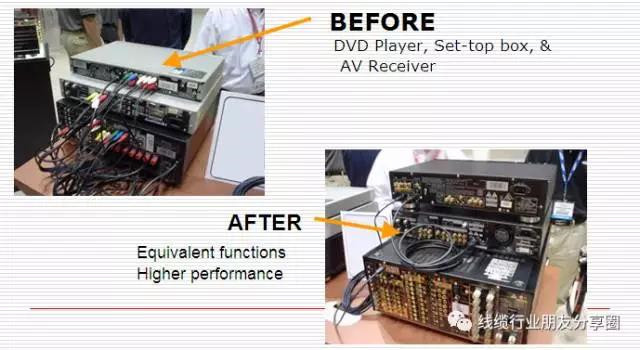
The earliest HDMI version, launched in December 2002, can be said to be specifically designed for Blu-ray and other full HD software of that time. Its main feature is the integration of both video and audio transmission, making it more suitable for audio-visual equipment compared to the DVI and DisplayPort interfaces that only transmit video on computers. HDMI 1.0 already supports DVD and Blu-ray video, with a maximum bandwidth of 4.95 Gbps, of which 3.96 Gbps is used for video stream transmission, supporting 1080/60p or UXGA resolution. In terms of audio, it supports 8 channels of LPCM 24bit/192kHz, meaning it can already play multi-channel Hi-Res audio, which is quite strong compared to the cable specifications of the same period.
■HDMI 1.1
HDMI 1.1 was released on May 20, 2004, adding support for DVD-Audio.
Launched in May 2004, it added support for DVD-Audio. DVD-Audio stores PCM music from 16bit/44.1kHz to 24bit/192kHz on DVD discs, originally intended as a successor to the CD format, like SACD, but unfortunately, neither format became popular.
■HDMI 1.2
Supports SACD
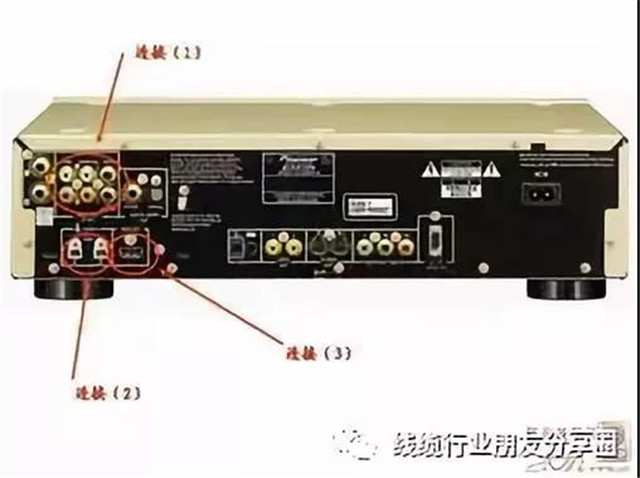
Launched in August 2005, it added support for 1-bit audio, which is SACD audio streaming, supporting up to 8 channels. HDMI CEC allows one remote control to control all compatible devices, which is quite convenient.
HDMI 1.2 was released on August 8, 2005, and added a bit audio option for Super Audio CD, supporting up to 8 channels. To make HDMI more suitable for use on PC devices, version 1.2 also removed the requirement to only use explicitly supported formats. It increased the ability for manufacturers to create vendor-specific formats, allowing arbitrary resolutions and refresh rates without being limited to a predefined list of supported formats. Additionally, it added explicit support for some new formats including 720p at 100 and 120HZ and relaxed pixel format support requirements so that sources with only local RGB output (PC) would not be required to support Y′CBCR output.
■HDMI 1.2a
Compatible with CEC multi-device control
HDMI 1.2a was released on December 14, 2005, fully specifying the Consumer Electronics Control (CEC) features, command set, and CEC compliance testing.
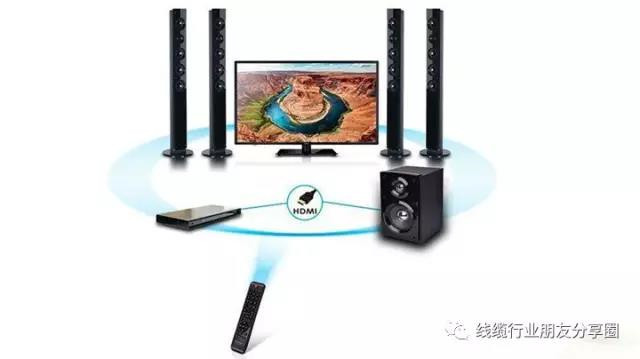
A minor revision of HDMI 1.2, released in December of the same year, supports all CEC (Consumer Electronic Control) functions, allowing compatible devices to be controlled by one remote when connected via HDMI.
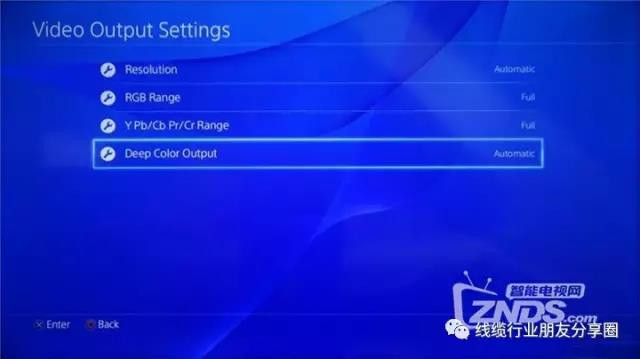
The new generation of televisions, Blu-ray players, and other devices can support Deep Color technology, allowing for richer display colors.
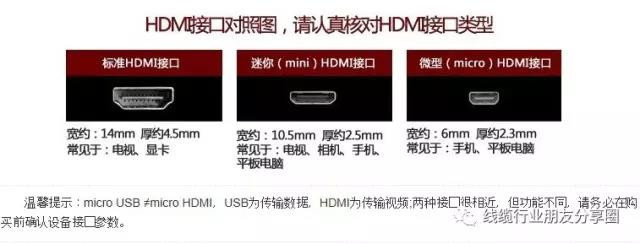
HDMI Type-A, which is the most common HDMI plug, has been used since version 1.0. Type C (mini HDMI) was introduced in version 1.3, and Type D (micro HDMI) was introduced in version 1.4.
■HDMI 1.3
Bandwidth increased to 10.2 Gbps, supports Deep Color and high-definition audio streaming.
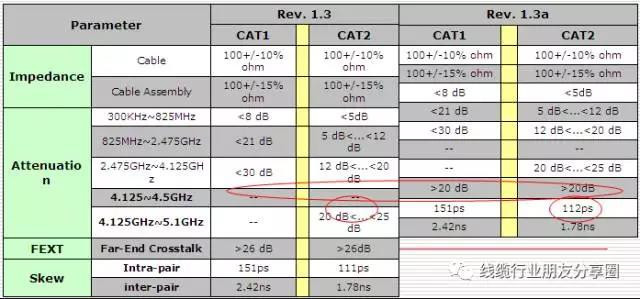
A major revision launched in June 2006, increasing the bandwidth to 10.2 Gbps, supporting 30bit, 36bit, and 48bit xvYCC, sRGB, or YCbCr Deep Color technology. It also supports Dolby TrueHD and DTS-HD MA high-definition audio streaming, allowing audio to be streamed from Blu-ray players to supported amplifiers for decoding. Subsequent versions 1.3a, 1.3b, 1.3b1, and 1.3c were only minor modifications.

The 3D craze brought by "Avatar" lasted for several years, so many of HDMI's new features were optimized for 3D.
■HDMI 1.4
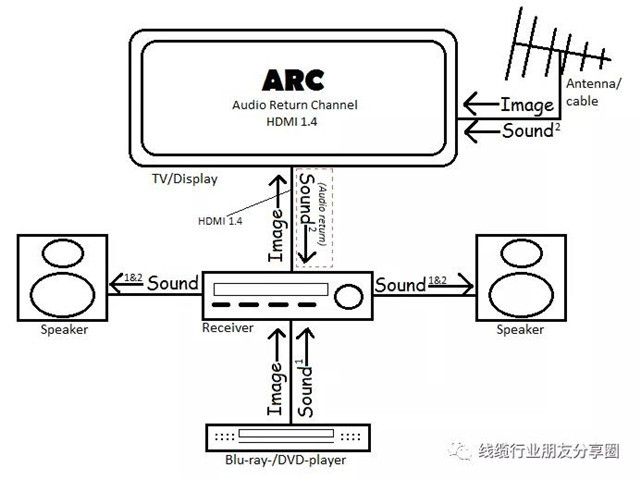
Supports 4K/30p, 3D, and ARC.
HDMI 1.4 can be considered the most popular version a few years ago, launched in May 2009, and it already supports 4K resolution, but only at 4,096 × 2,160/24p or 3,840 × 2,160/24p/25p/30p. That year also marked the beginning of the 3D craze, and HDMI 1.4 supported 1080/24p and 720/50p/60p 3D images. In terms of audio, it introduced the quite practical ARC (Audio Return Channel) function, allowing TV audio to be sent back through HDMI to the amplifier for output. It also added a 100Mbps network transmission function, allowing internet connection sharing through HDMI.
■HDMI 1.4a, 1.4b
A minor revision with added 3D functionality
The 3D craze initiated by "Avatar" continued, leading to the release of minor revisions HDMI 1.4a and 1.4b in March 2010 and October 2011, respectively, mainly targeting 3D, such as adding two types of broadcast 3D formats and supporting 1080/120p 3D images.
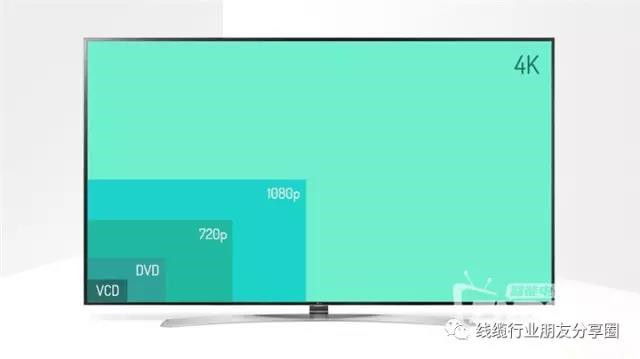
Starting from HDMI 2.0, video resolution supports up to 4K/60p, which is currently a commonly used HDMI version in many TVs, amplifiers, and other devices.
■HDMI 2.0
True 4K version, bandwidth increased to 18 Gbps
HDMI 2.0, launched in September 2013, is also known as "HDMI UHD". Although HDMI 1.4 already supports 4K video, it only supports a lower specification of up to 30p. HDMI 2.0 increased the bandwidth from 10.2 Gbps to 18 Gbps, supporting 4K/60p video and compatible with Rec.2020 color depth. Currently, many devices, including TVs, amplifiers, and Blu-ray players, use this HDMI version.
■HDMI 2.0a
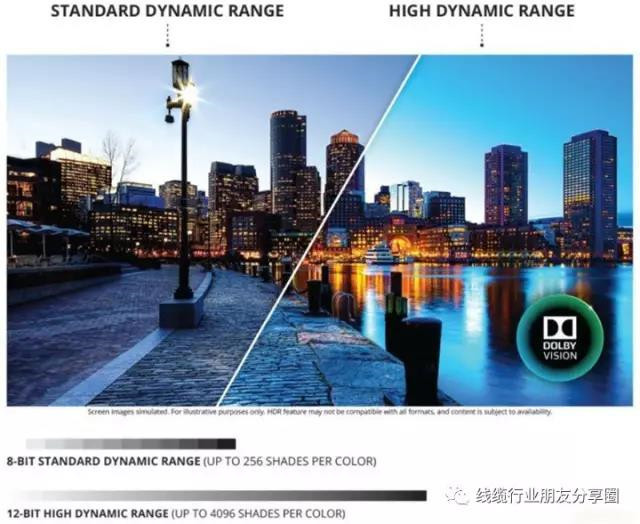
Supports HDR
The HDMI 2.0 minor revision launched in April 2015 added HDR support. Most new generation TVs that support HDR will adopt this version, and new amplifiers and UHD Blu-ray players will also have HDMI 2.0a ports. The subsequent HDMI 2.0b added the Hybrid Log-Gamma HDR format for broadcasting, originally supporting HDR10.
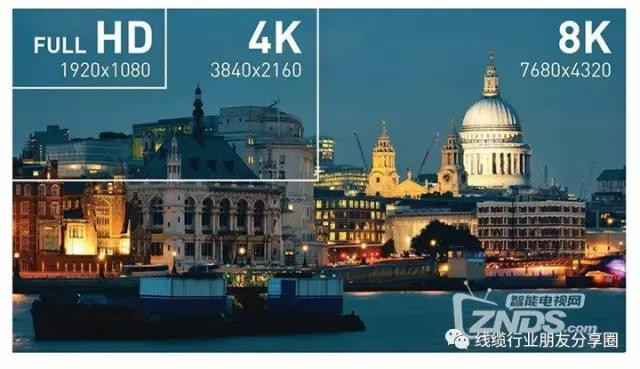
HDMI 2.1 standard supports 8K resolution video.
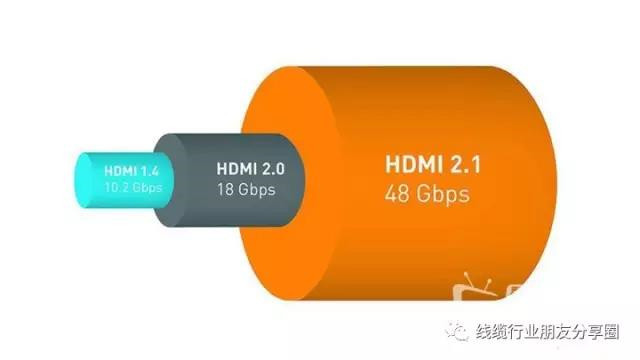
HDMI 2.1 significantly increased the bandwidth to 48Gbps.
■HDMI 2.1
Supports 8K/60Hz, 4K/120Hz video, Dynamic HDR.
The latest HDMI version launched in January 2017, with a significant bandwidth increase to 48Gbps, can support images up to 7,680 × 4,320/60Hz (8K/60p) or higher frame rate images at 4K/120Hz. HDMI 2.1 will continue to correspond to the original HDMI A, C, and D plug designs. It also supports the new Dynamic HDR technology, which can further enhance contrast and light-dark level performance based on the light and dark distribution of each frame, compared to the current "static" HDR. In terms of sound, HDMI 2.1 supports the new eARC technology, which can return Object-based audio such as Dolby Atmos, compared to the existing ARC (Audio Return Channel).
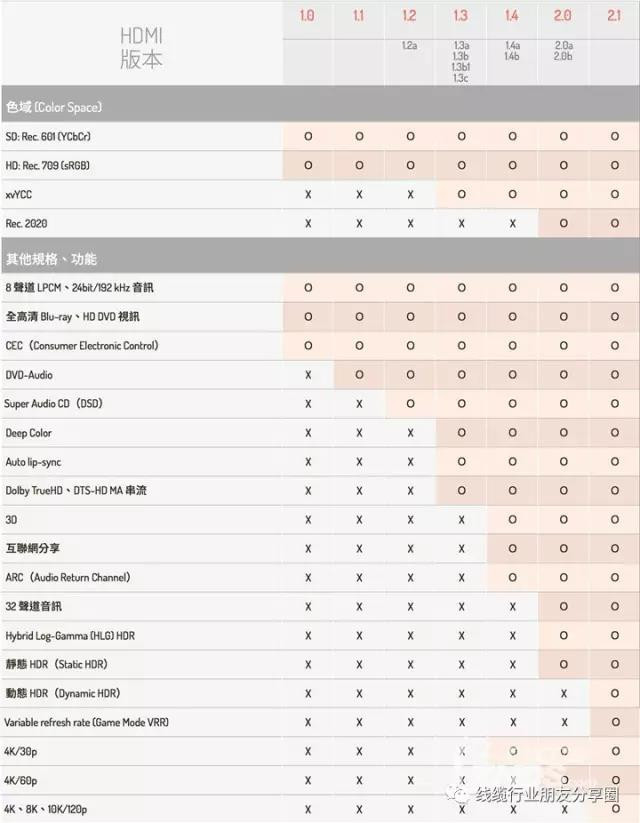
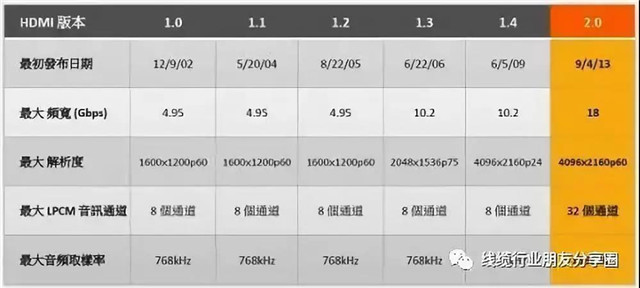
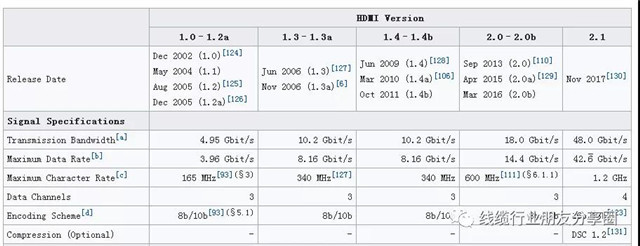
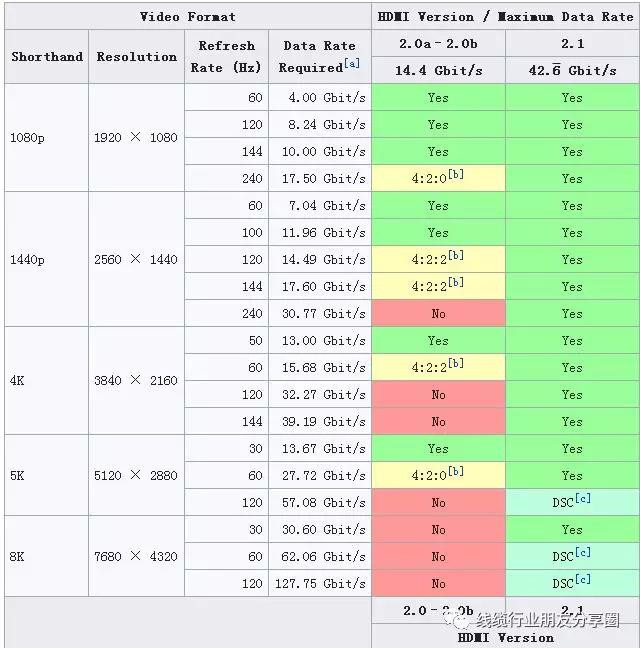
■Refresh rate limitations for HDR10 video
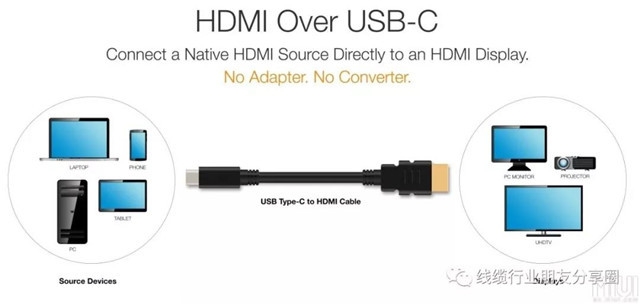
HDMI Alternate Mode for USB Type-C
The HDMI Alternate Mode for USB Type-C allows HDMI-supported sources using USB-C connectors to connect directly to standard HDMI display devices without the need for an adapter. This standard was released in September 2016 and supports all HDMI 1.4b features, such as ultra-high-definition 30 Hz video resolution and Consumer Electronics Control (CEC). Before this, similar display port alternate modes could be used to connect from USB Type-C sources to HDMI displays, but in that case, an active adapter was needed to convert from display port to HDMI, while HDMI alternate mode connects directly to the display.
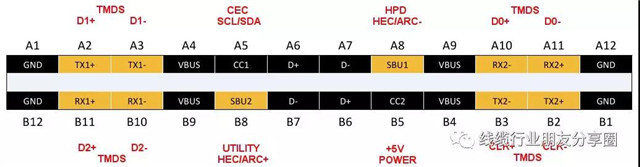
The alternate mode reconfigures the four pairs of super-speed differential pairs present in USB-C to carry three HDMI TMDS channels and a clock signal. These two sidebands use pins (SBU1 and SBU2) to carry HDMI Ethernet and audio return channel and hot-plug detection functions (HEAC+/utility pin and HEAC−/HPD pin). Because there are not enough reconfigurable pins left in USB-C to accommodate DDC clock (sci), DDC (SDA) data, and CEC, the bridging of these three signals is possible through USB power delivery HDMI source and sink 2.0 (USB-PD) protocol, and through USB-C configuration channel (CC) line, this is possible because the cable is electronically marked, containing a USB-PD node, to transmit DDC and CEC from the source through the configuration channel to the nodes in the cable, these USB-PD messages are received and forwarded as regenerated DDC (SCL and SDA signals) or CEC signals to the HDMI receiver.
Summary by the editor: HDMI products have currently shrunk a significant market share under the impact of Type-C cables, but due to HDMI's leading position in the high-definition conversion field in the early stages, as long as higher specifications of HDMI are released, with more highlights and improved technical requirements, there may still be opportunities for a comeback in the future. Due to the shortcomings of the Type-C connector, the reliability of the interface is relatively weak, making it difficult for TVs, displays, and audio-video parts in the industry to perform better.
Next page
Next page:
Related News
2025-12-31
2025-07-28
NO.7, Chuangyuan Rd, Jiaozhou Bay Comprehensive Bonded Zone, Hetao Sub-district, Chengyang District, Qingdao, Shandong Province, P.R.C.