


The new RoHS directive adds four substances, significantly impacting plastic products.
Release time:
2019-07-20
Phthalates will be restricted by EU countries starting in July. This directive will affect various plastic electronic products such as connectors.
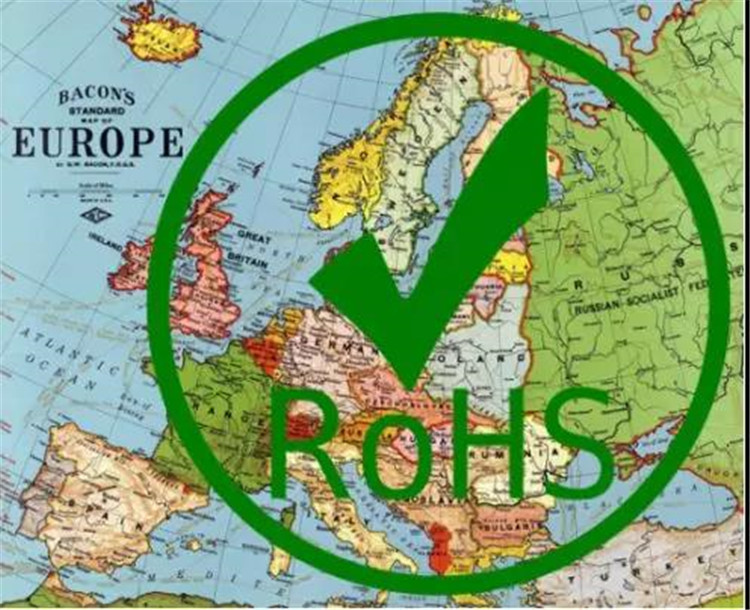
The EU's Restriction of Hazardous Substances (RoHS) environmental compliance directive is expanding its scope. In 2019, four new substances were added to the list of banned electronic materials in Europe: di(2-ethylhexyl) phthalate (DEHP), butyl benzyl phthalate (BBP), dibutyl phthalate (DBP), and diisobutyl phthalate (DIBP). These phthalates bring the total number of restricted substances under RoHS for most electrical and electronic equipment (EEE) to 10, effective from July 22, 2019.
Phthalates are used to enhance the flexibility and longevity of plastics. However, during manufacturing, phthalates can volatilize into the environment or leach from the products they are used in. As endocrine disruptors, they have been found to impact human health, including negative effects on prenatal and child development. These four phthalates set to be restricted have been technically limited since 2015, although a grace period has allowed manufacturers and designers to innovate and specify alternative materials. The ongoing grace period only applies to medical devices, monitoring instruments, and industrial monitoring instruments. The grace period will end on July 22, 2021, so companies working in the medical market should now seek alternative solutions.
We spoke with the ECIA Global Industry Practice Committee to understand the impact of RoHS on the latest products.
The electronics industry has been aware that these changes are coming; does this mean that most companies are ready?
Yes, many of our suppliers have already made changes to eliminate these phthalates.
What steps can they take now before the deadline arrives?
If necessary, check current inventory and negotiate alternatives. It is also important to determine the RoHS compliance of new procurement materials.
What types of components are most affected by the latest changes to RoHS?
Any components that contain plastic will be affected. For example, connector housings and wire coatings.
What materials are being used as alternatives to substances that will soon be non-compliant?
Common alternatives include Hexamoll DINCH (DINCH), tributyl citrate (ATBC), dioctyl terephthalate (DOTP), 2,2,4-trimethyl-1,3-pentanediol diisobutyrate (TXIB), trioctyl trimellitate (TOTM), and di(2-ethylhexyl) adipate (DEHA), among others.
What impact will components that have been produced but do not meet RoHS standards face?
These components and the electronic products that include them will not be allowed to be exported to the EU.
Why is the grace period for medical applications longer?
EU directives state that the innovation time for medical devices should be considered longer.
What products or applications will be exempt?
Products such as medical and industrial monitoring instruments will not be subject to these restrictions before July 22, 2021.
Can we expect other changes to RoHS?
Article 24(2) of 2011/65/EU stipulates that a comprehensive review of the current RoHS directive must be conducted before July 22, 2021, and if necessary, the current RoHS directive should be revised. If this occurs, it will be referred to as ROHS3.

Related News
2025-12-31
2025-07-28
NO.7, Chuangyuan Rd, Jiaozhou Bay Comprehensive Bonded Zone, Hetao Sub-district, Chengyang District, Qingdao, Shandong Province, P.R.C.